by NAPAD | Dec 31, 2023 | clean energy, Climate change, Drought, empowerment, Girls, solarenergy, WASH, Women
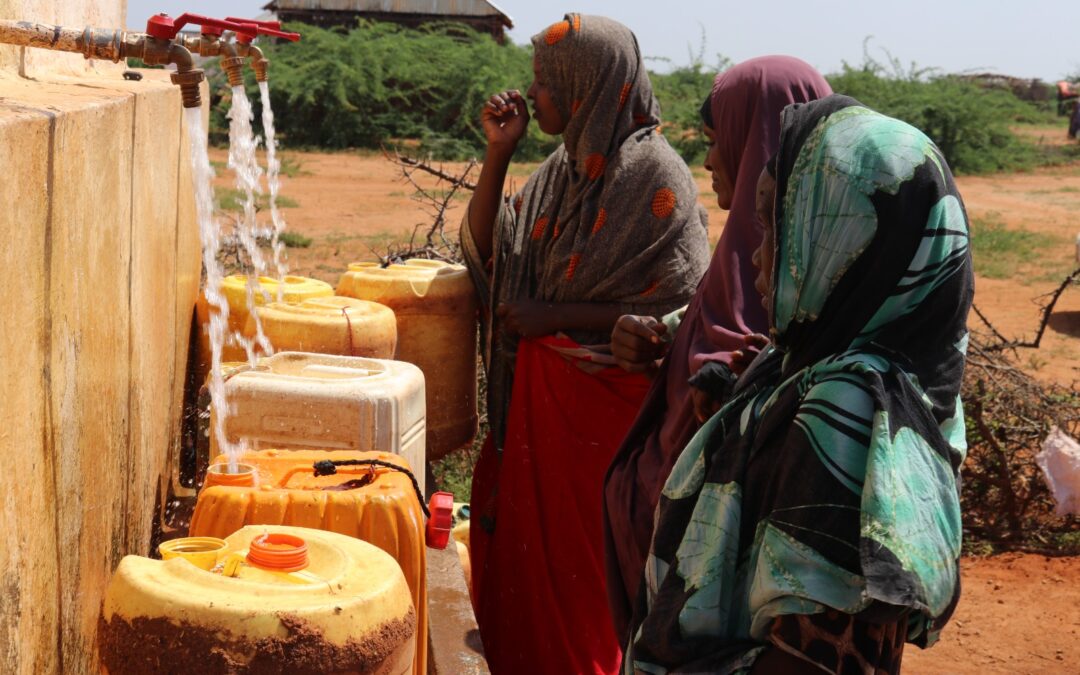
Shidle Village, situated 35 kilometers from Dollow Town in the Gedo region of Somalia, is home to the minority Somali Bantu community. One of the longstanding challenges faced by the village is the scarcity of clean water. Despite the community’s effort to...
by NAPAD | Dec 8, 2023 | Climate change, Emergency, Floods, Gedo, Somalia, hygiene, Livelihoods, WASH
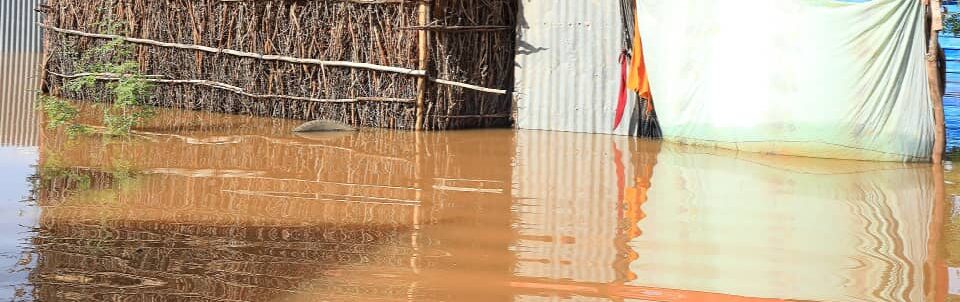
Urgent Humanitarian Appeal for Flood-Affected Population in Jubaland State, Somalia NAPAD, a local organization operating within the Gedo Region, is committed to serving the nomadic communities through humanitarian and resilience-building efforts. We aim to promote...
by NAPAD | Dec 6, 2023 | Climate change, Emergency, Floods, Food Security, Livelihoods, Mandera County, WASH
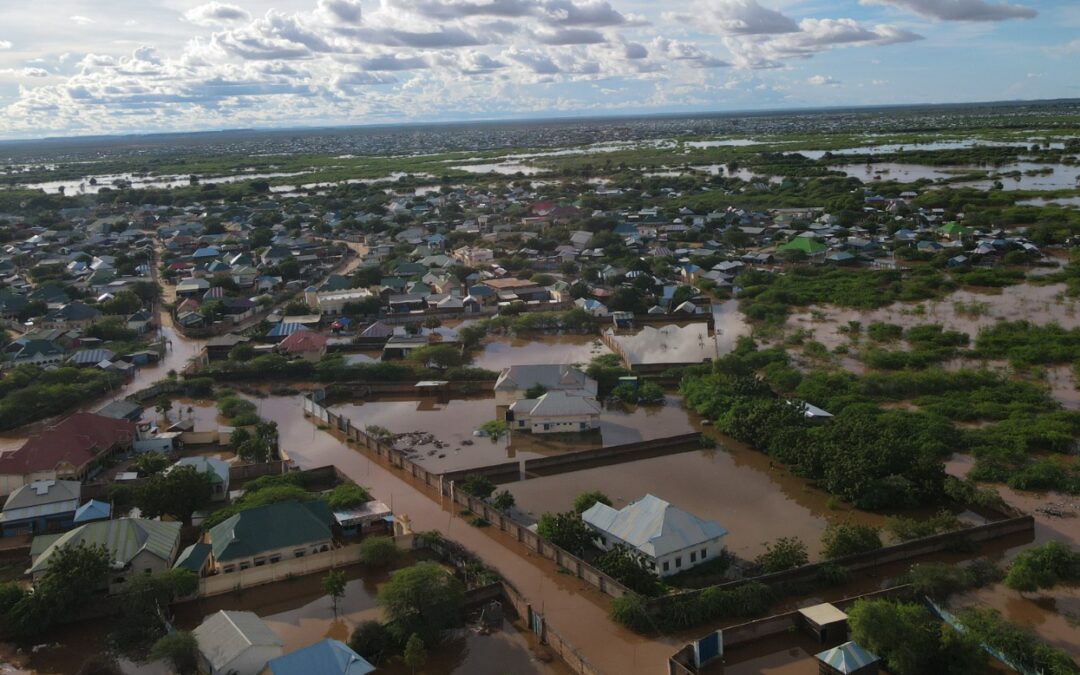
Urgent Humanitarian Appeal for Flood-Affected Population in Mandera County, Kenya NAPAD, a local organization operating in Mandera County, is committed to serving the nomadic communities through humanitarian and resilience-building efforts. We aim to promote...
by NAPAD | Jun 21, 2022 | Access to Justice, clean energy, Climate change, COVID19, Education, Livelihoods, Livestock, solarenergy, WASH
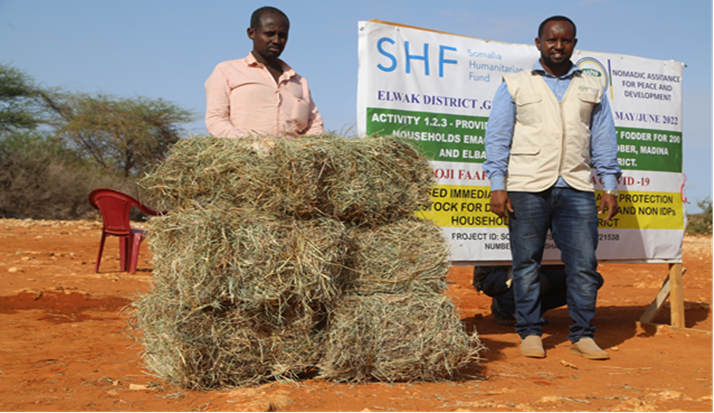
This report looks at the impact of NAPAD in 2021 and we look forward to a future where we will continue to serve the most vulnerable populations in Kenya, Somalia and now Ethiopia. NAPAD 2021 ANNUAL REPORT...
by NAPAD | May 31, 2022 | clean energy, WASH
The Drought Situation Report No.7 of May 2022 indicates that 6.1 million people have been affected by the drought emergency, of whom 771,400 have been displaced from their homes in search of water, food, and pasture. The majority of these are women and...
by NAPAD | Apr 28, 2022 | Education, Nutrition, WASH, Youth
The Education Cluster reports that about 1.4 million school-aged children in Somalia have been affected by the current drought; 45 percent of whom are girls who are also at risk of dropping out of school. In Somalia, enrolment and achievement rates are lower, and...